

Late summer is when the phones really start ringing. The heat’s had its way with lawns across the South Shore and Cape for weeks now, and homeowners are starting to look ahead to fall, wondering what it actually takes to get their yard back on track.
We sat down with Nick Cox, our Residential Account Manager, to get his take on lawn renovations and what he’s seen out in the field this season. Here’s what he had to say.
What’s the most common thing homeowners get wrong about their lawn when they call in late summer?
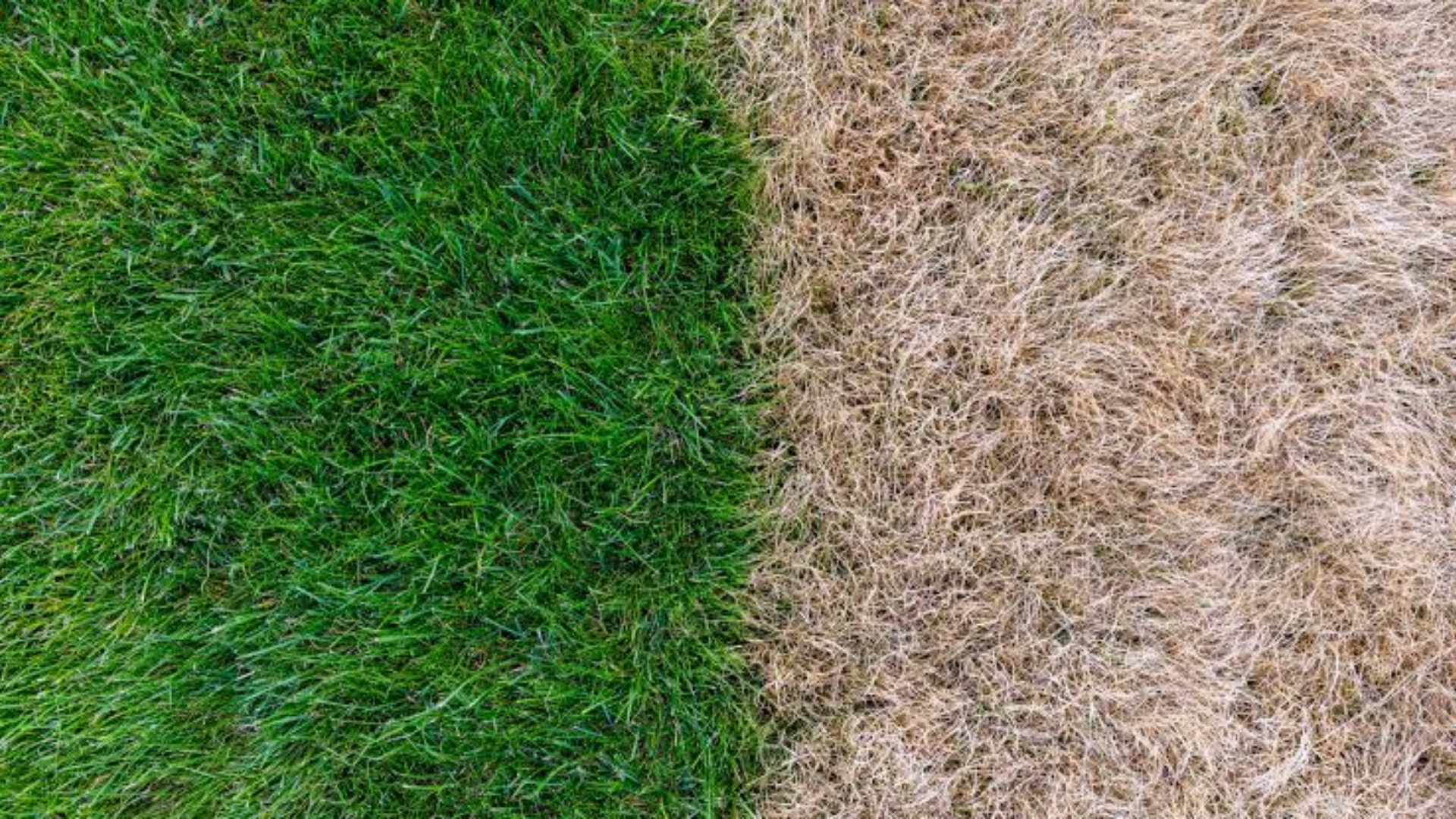
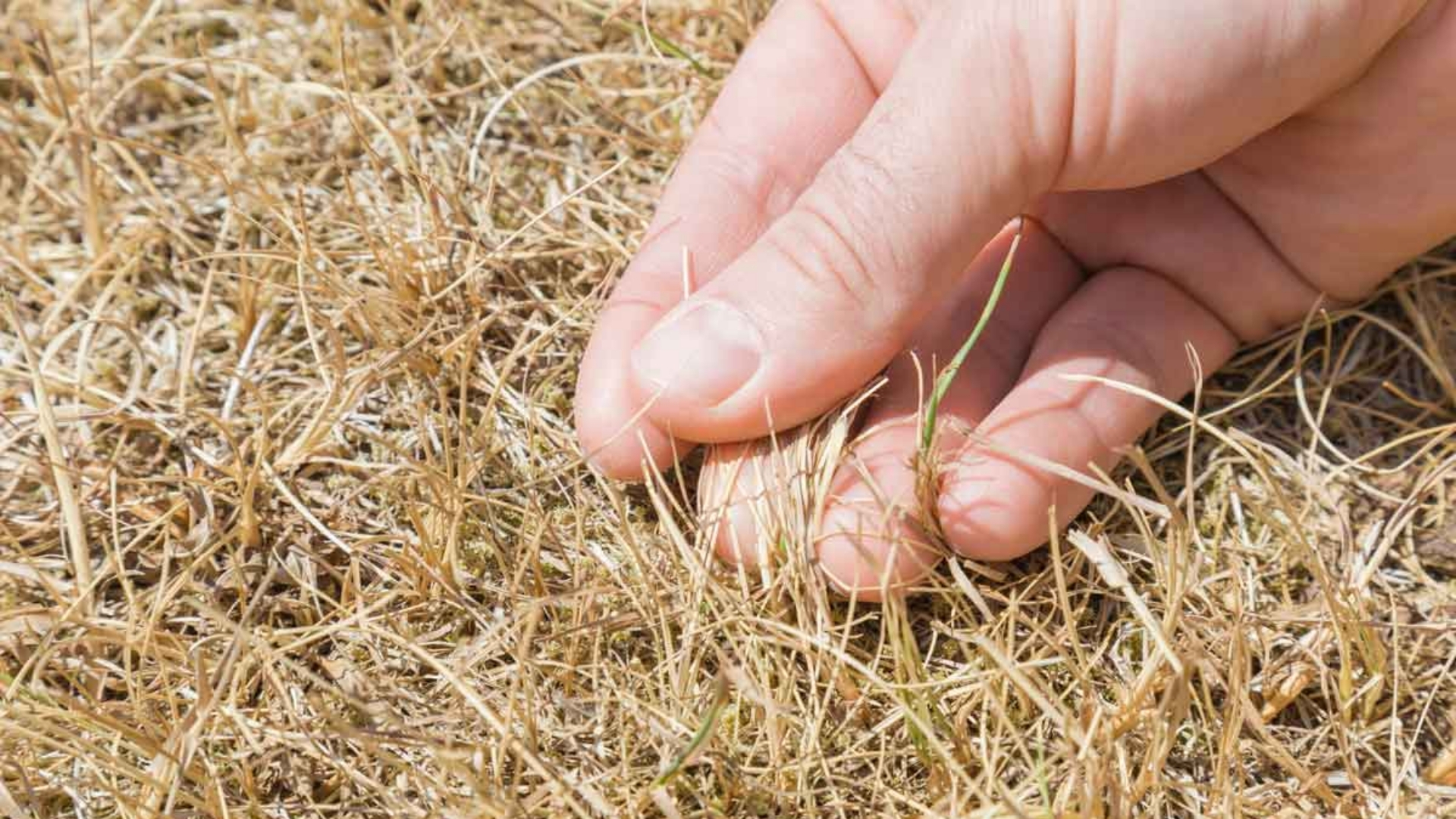
“Customers often look at their drought-stressed lawns, assume the grass is dead, and think it needs to be replaced. In reality, turf is highly resilient. Once favorable conditions return, it can bounce back almost overnight.”
Do you get pushback when you tell people their “dead” lawn is actually just dormant? How do you explain it?
“All the time. Here are two quick ways to ease a customer’s mind during this conversation:
What’s the biggest myth about lawn renovations you wish would go away?
“People often think they need to take immediate action with their dormant lawn. In reality, patience is key! Waiting until the soil temperatures have cooled enough allows for grass to germinate before weeds, watering to be more efficient, and fertilizer to properly feed with less chance of burning or further stressing dormant turf.”
Why do we specifically recommend fall renovations instead of spring?
“Temperature: The cooler fall temps, especially at night, are perfect for germination. Ideal conditions are when the air is steadily in the mid 60’s to 70’s and the soil is in the mid 50’s to 60’s. These ranges are more predictable in the fall for our region.
Weeds: While we do typically have a small window of time to plant lawns in the spring, it is also prime time for weeds. Coming out of the winter, the ‘seed bank’ is full. A large variety of broadleaf and grassy weeds are laying in wait for the proper soil temperature and often will grow quicker and out compete with the grass seed that was put down.”
What have you seen happen when a homeowner insists on doing it in spring instead?
“If all conditions are not perfect, the results are going to disappoint. You are likely to have a patchy lawn filled with weeds like chickweed, dandelion and crabgrass. This will leave you to chase issues until the fall where the lawn can be renovated again.”
How long does it typically take before a homeowner sees the payoff from a fall renovation?
“You should start to see early results in the form of seedlings and shoots in the 10 to 14 day range. Keep in mind that we use a blend of different grasses in our region that all have different germination rates. Typically we are looking to mow for the first time no sooner than the 4 week mark for a new lawn and 2 to 3 weeks for an overseed lawn or repair.”
We will mow the lawn down to 1.5 to 2 inches. This is to open the soil level up to make sure we are getting as much contact for aeration, seed and any other additives being applied. Remember, one function of grass blades is to protect the soil; in this case we want to break that barrier. A secondary reason is to maintain the healthy parts of the lawn (remember we won't be mowing again for 2 to 3 weeks) and not leave you with an overgrown mess that is shading out the new seedlings.
Marking irrigation heads, lights, valve boxes and any other in-ground objects is a must. This is something you can do yourself or we will happily do for an extra fee.
These two go hand in hand. Any time you aerate is a great time to seed! Breaking up the thatch layer and allowing air, water and the seed to work their way into the soil profile. Aeration helps facilitate seeding while also adding pores to the soil, eliminating any compaction left from a season of foot traffic, mowing and environmental stresses to your lawn.
Now that the soil has all of these openings, we will add some high quality compost to provide valuable nutrients above and into the soil profile. Added benefit is a nice safe 'seed bed' to help aid in germination.
The last step will be to rake out any tracks or footprints in the lawn. Blow down any hard surfaces and pull any marking flags. After-care instructions will be provided and discussed with you by your account manager.
Extras – There are many additional products that provide different benefits to a lawn renovation, including:
Any or all of these products will be applied as directed on their label. These will be recommended based on the condition of the lawn and its needs.
What’s something that happens during a renovation that most homeowners don’t expect?
“Your lawn may look worse when we leave than when we arrived. This is a renovation in every sense of the word. We are tearing your lawn down in order to build it back better than ever. This is a ‘trust the process’ situation and you won’t be disappointed in the results.”
Is there a property type, shady yard, high-traffic yard, older lawn, where renovations make the biggest difference?
“I wouldn’t say there is a difference in results, but there is a difference in the way we address different types of lawns. High traffic yards may need extra aeration, an older lawn more compost, and a shady lawn would need a different type of seed. The goal is always to provide the best possible lawn for the situation.”
What do you tell someone who’s on the fence about whether they need a full renovation or just some routine care?
“Most every lawn needs something above general maintenance every year, whether it is just aerating and seeding or repairing a spot here and there. Lawns take a beating during the season, and a minor renovation yearly will prevent a major one later on.”
If you had to give homeowners one piece of advice about their lawn right now, what would it be?
“Aerate! We used to tell people that every 2 to 3 years was adequate, but now I highly recommend a yearly aeration. Studies show that lawns that are aerated yearly have a significantly deeper and stronger root system and, by relation, a much healthier and more resilient lawn.”
What’s the one thing you want every homeowner to know before they call us this fall?
“Get on the list early! While the fall weather window is wider, it does not last forever. Also, in many cases I can put a plan together for you without you being home. A simple walk around or pre-existing knowledge of your property can go a long way. Of course, if you are available and would love to chat, I would be happy to review your lawn with you.”
If you would like to set up an appointment with Nick or someone from our team, please give us a call at 508-224-9300 or fill out the contact form on this page! We look forward to working with you.
If your lawn has been thin, patchy, or slow to recover year after year, now’s the time to start planning. Fall’s the ideal window for a renovation, and as Nick mentioned, the list fills up fast.
Reach out to our team, and we’ll take a look at your property and put together a plan that fits your lawn, your timeline, and your goals. Whether you’re dealing with stubborn patches or just want a thicker, healthier yard, our team at Egan Landscape Group is here to help.
Contact us today to schedule your fall lawn care consultation and let’s get your property ready to thrive.