
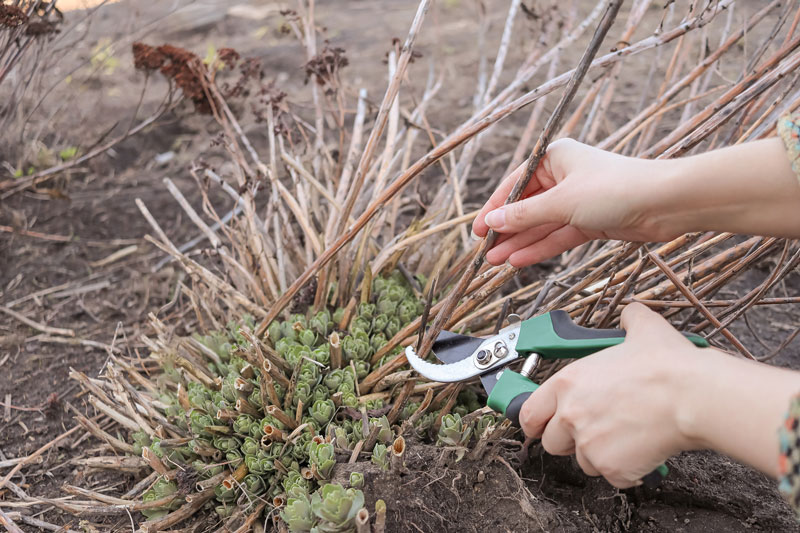
What is Winter Pruning?
Pruning involves removing dead, damaged, or crossing branches to improve plant health and shape. “Winter pruning” specifically refers to this practice done between late fall and early spring while plants are dormant. This differs from trimming in other seasons, as the lack of leaves makes it easier to see the plant’s structure and reduces stress on the plant.
Winter is the best time to prune plants for several reasons:
Dormancy Reduces Stress: During winter, most plants are dormant, meaning their growth has slowed significantly. Pruning during this period minimizes stress on the plant, as it’s not actively growing leaves or flowers. This allows the plant to recover more easily and redirect its energy into healthy new growth when spring arrives.
Clear Visibility of Plant Structure: Without leaves, the plant’s branching structure is fully visible. This makes it much easier to identify and remove dead, damaged, diseased, or crossing branches, which are crucial for improving the plant’s overall health and shape.
Reduced Disease and Pest Risk: Many plant pathogens and pests are inactive in colder temperatures. Pruning in winter reduces the risk of introducing diseases or attracting pests to fresh cuts, as these threats are less prevalent.
Encourages Strong Spring Growth: By removing unwanted growth in winter, you encourage the plant to put its energy into developing strong, healthy new shoots in the spring. This leads to a more vigorous and aesthetically pleasing plant.
Prevents Overgrowth and Improves Safety: Winter pruning helps manage the size of plants, preventing them from becoming overgrown and interfering with walkways, structures, or power lines. Removing weak or crossing limbs also improves the plant’s structural integrity, making it less susceptible to damage from snow or wind.
The benefits? Winter pruning offers several key benefits, including encouraging strong spring growth by redirecting energy into new shoots, reducing disease risk as many pathogens are inactive in cold weather, and improving plant structure and safety by allowing clear visibility to remove weak or crossing limbs. Additionally, it helps prevent overgrowth and enhances curb appeal by maintaining clean, well-shaped trees and shrubs year-round.
So, which plants should you prune in the winter?
For homeowners in New England, many common plants benefit from winter pruning:
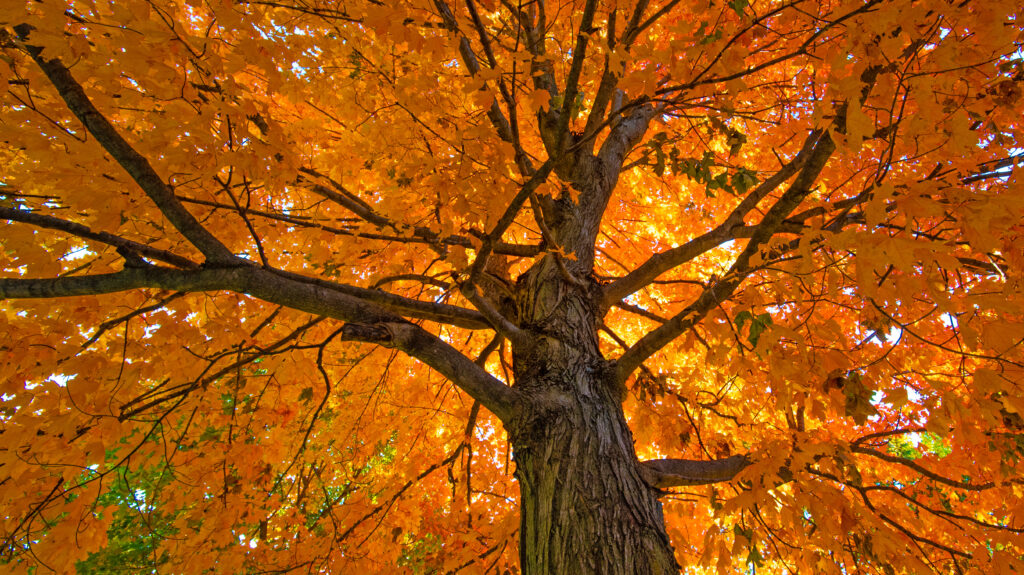
- Trees: Maple, Oak, Elm, Birch, Crabapple, and Fruit Trees (apple, pear).
- Shrubs: Spirea, Dogwood, Butterfly Bush, Hydrangea paniculata, Viburnum.
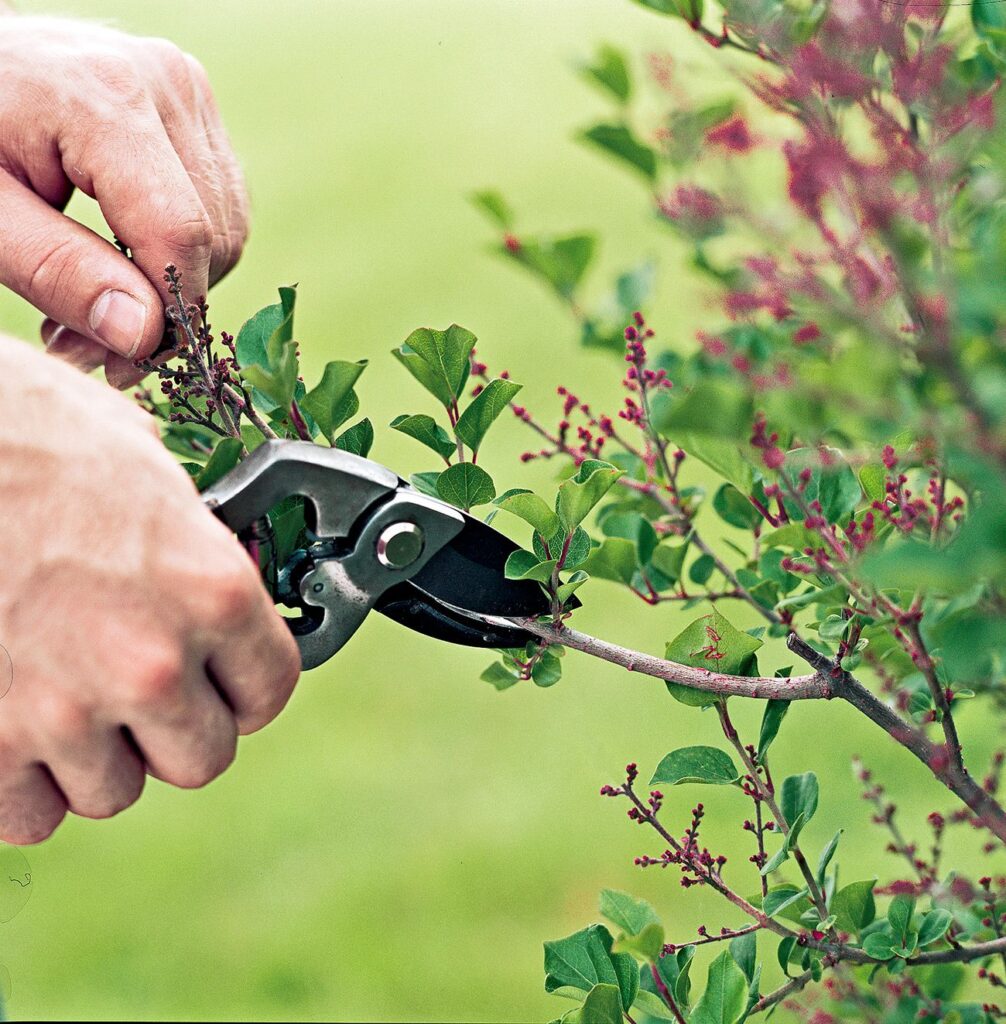
Avoid pruning early bloomers like Lilac, Forsythia, or Azalea until after they flower in spring. When in doubt, check when your plant blooms — if it flowers in early spring, wait until after it finishes.
How to Prune Safely & Effectively:
Using clean, sharp pruning tools is essential to prevent the spread of diseases between plants. Dull tools can also cause ragged cuts that are harder for the plant to heal, making it more susceptible to pests and infections.
We recommend using bleach to sterilize your tools. This makes sure that any diseases and viruses are stripped before pruning!
Prioritize removing any branches that are clearly dead, broken, or show signs of disease. This not only improves the plant's appearance but also directs its energy to healthy growth and prevents the spread of potential problems.
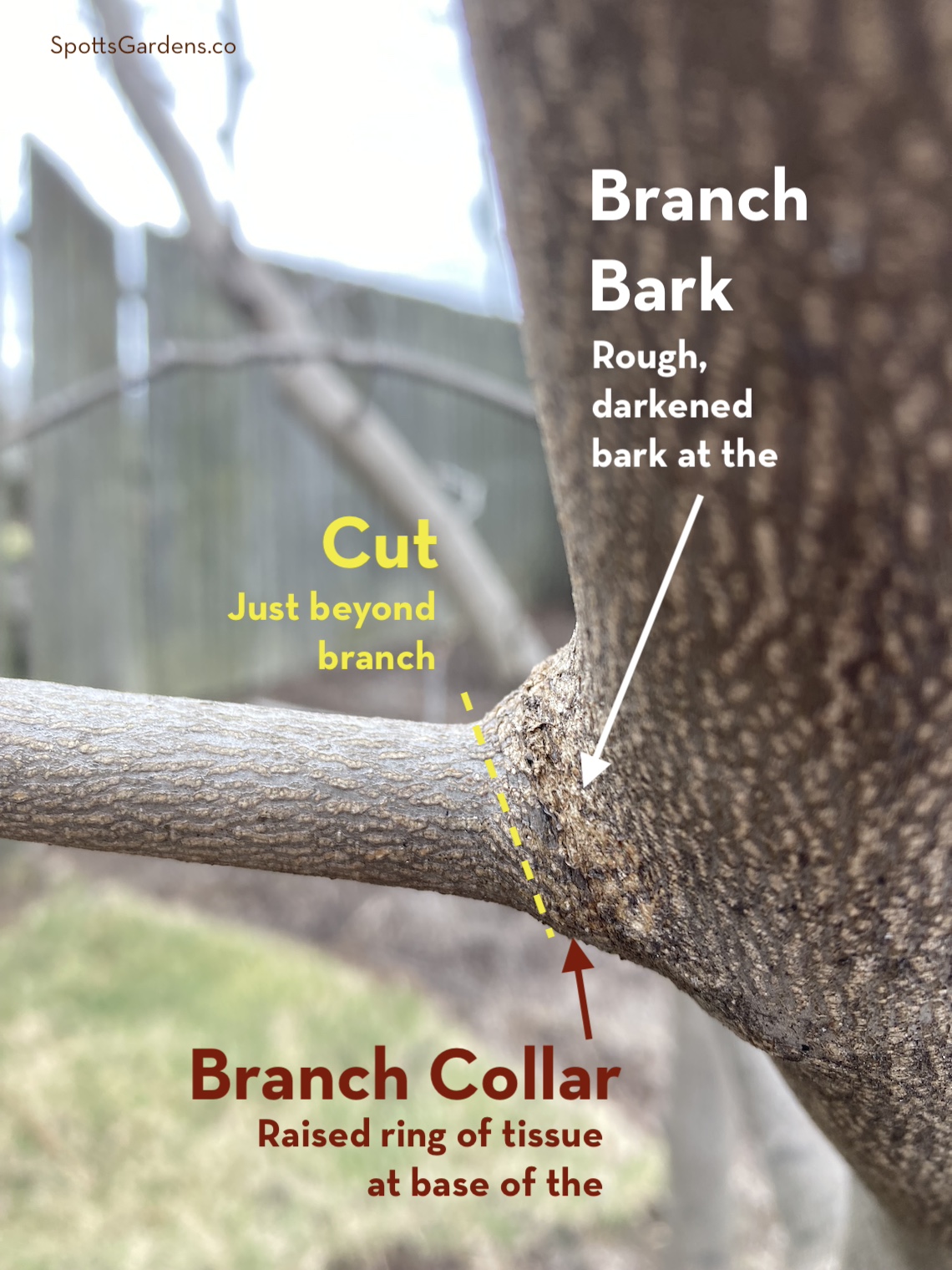
(the swollen area where a branch meets the trunk). Making cuts at the branch collar is crucial for the plant's healing process. This swollen area contains specialized cells that help the wound close quickly and efficiently, minimizing stress and preventing decay.
This improves airflow and sunlight penetration. When branches are too dense, they can block sunlight and restrict air circulation, creating an environment ripe for fungal diseases. Thinning these areas allows light and air to reach the inner parts of the plant, promoting healthier growth.
Removing more than 25–30% of a plant at once can stress it. Excessive pruning can shock a plant, weakening it and making it vulnerable to disease or even death. It's best to prune gradually and spread significant pruning over multiple seasons to ensure the plant's long-term health.
Pro Tip: Always make cuts at a 45° angle just above a healthy bud facing the direction you want new growth to go.
When to Call a Professional
Homeowners should know their limits. Large trees, high branches, or plants near power lines should always be handled by a professional. Professionals can also evaluate overall plant health and structure. At Egan Landscape Group, our trained team knows how to prune for both health and aesthetics.
Winter is the ideal time to give your landscape the care it needs before spring growth begins. Our experts at Egan Landscape Group can safely and properly prune your trees and shrubs to promote health and beauty for years to come. Call us today or request a consultation online to get your property on the winter pruning schedule.
