Plymouth, Massachusetts | Spring Bulb Installation
Hand-planted with love & care.
0
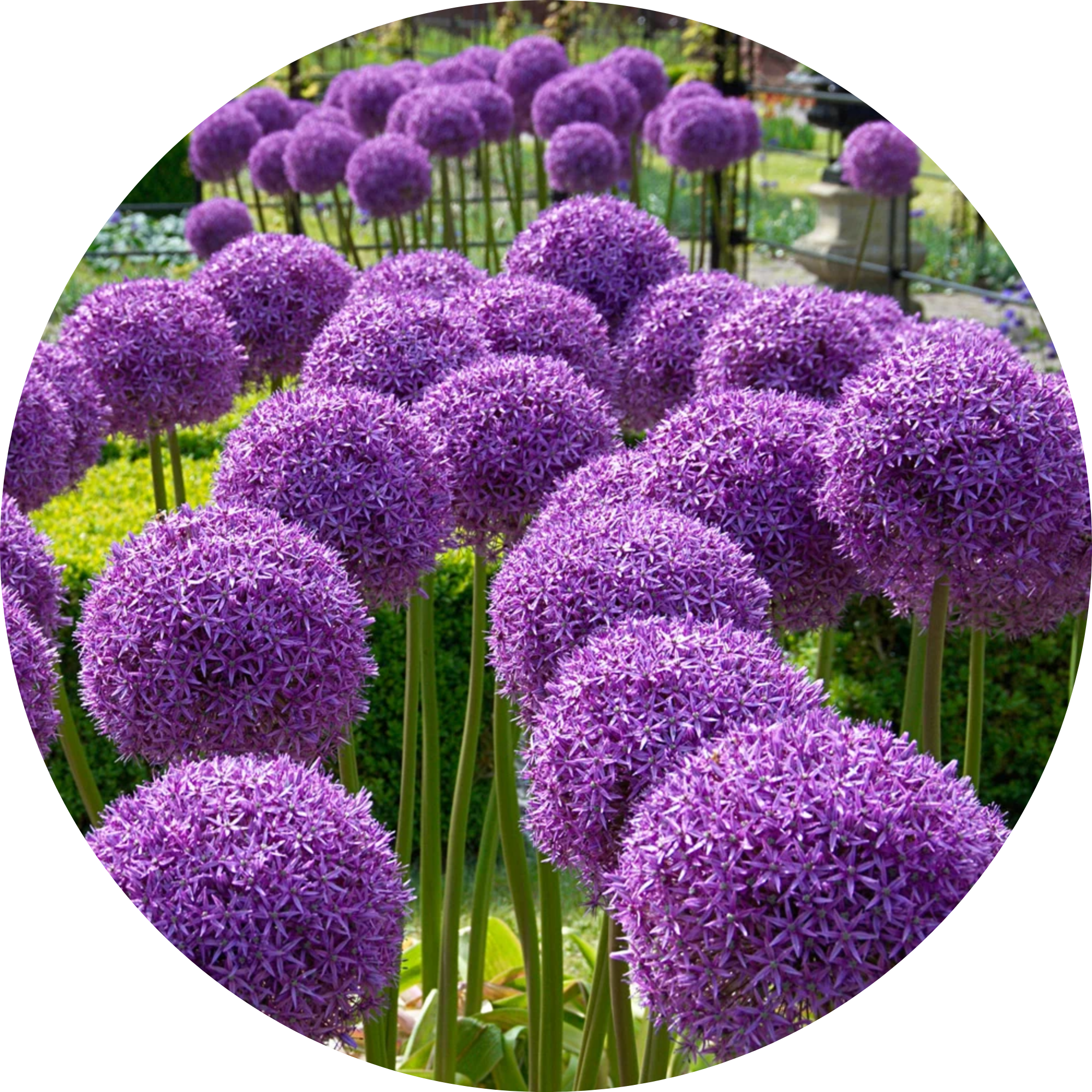
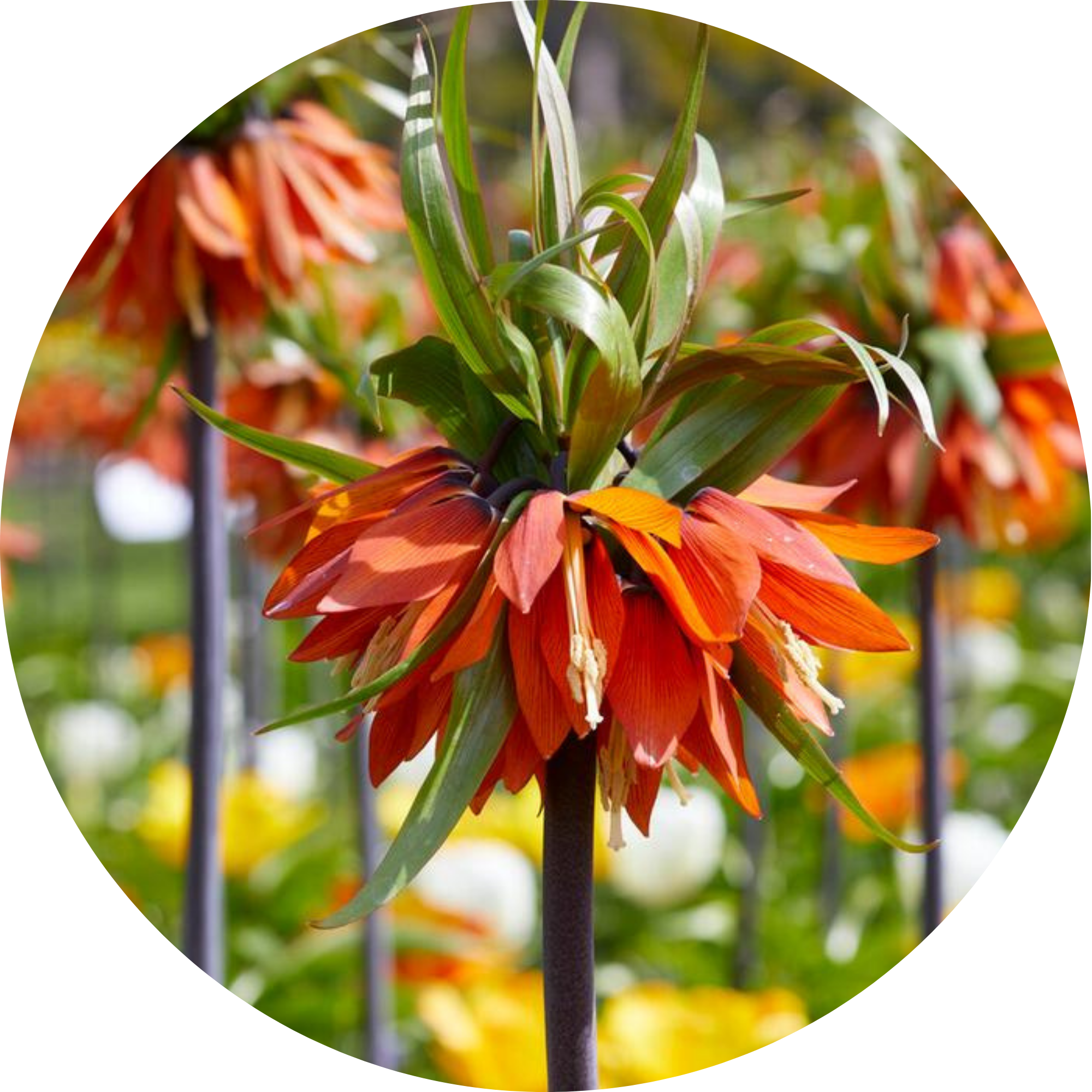
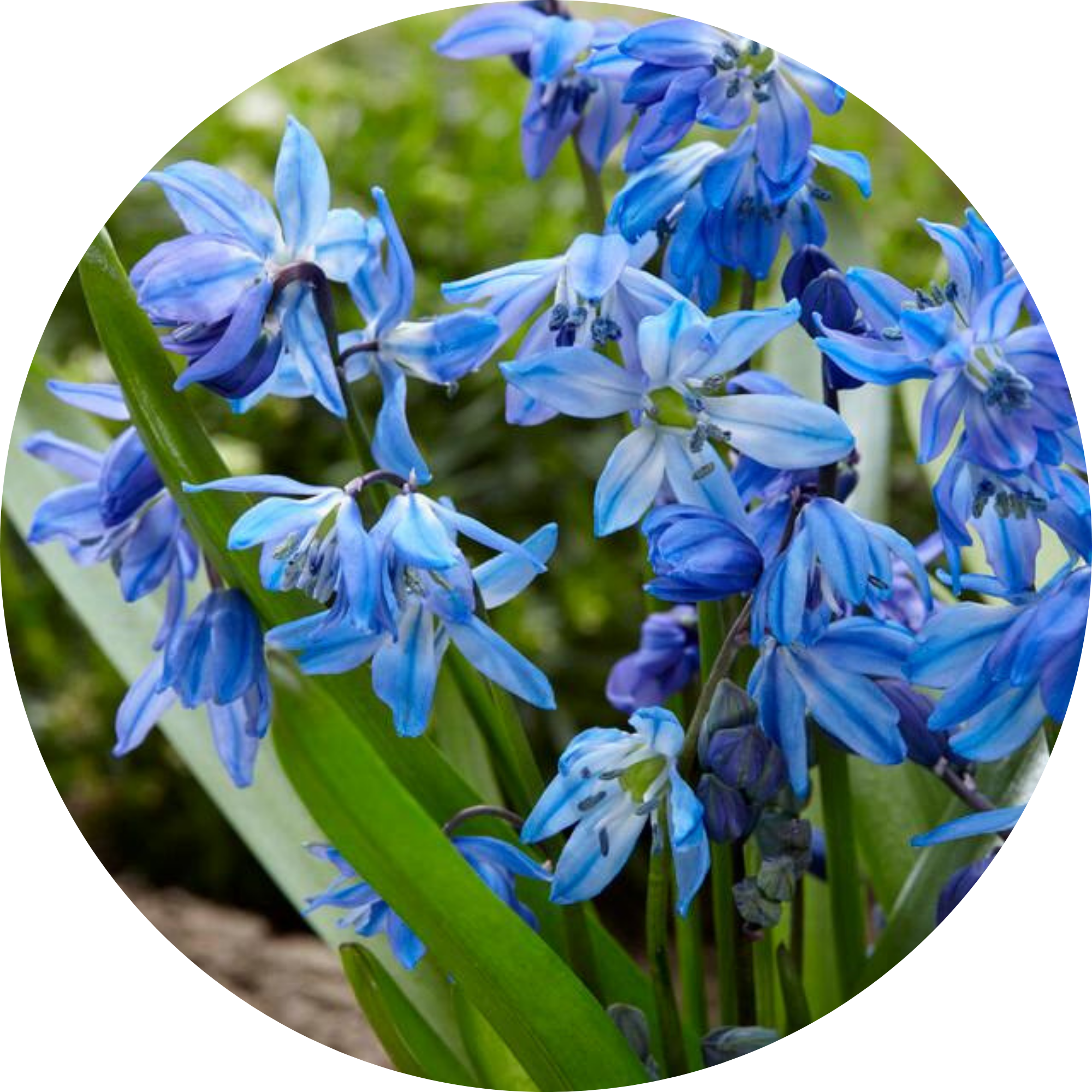
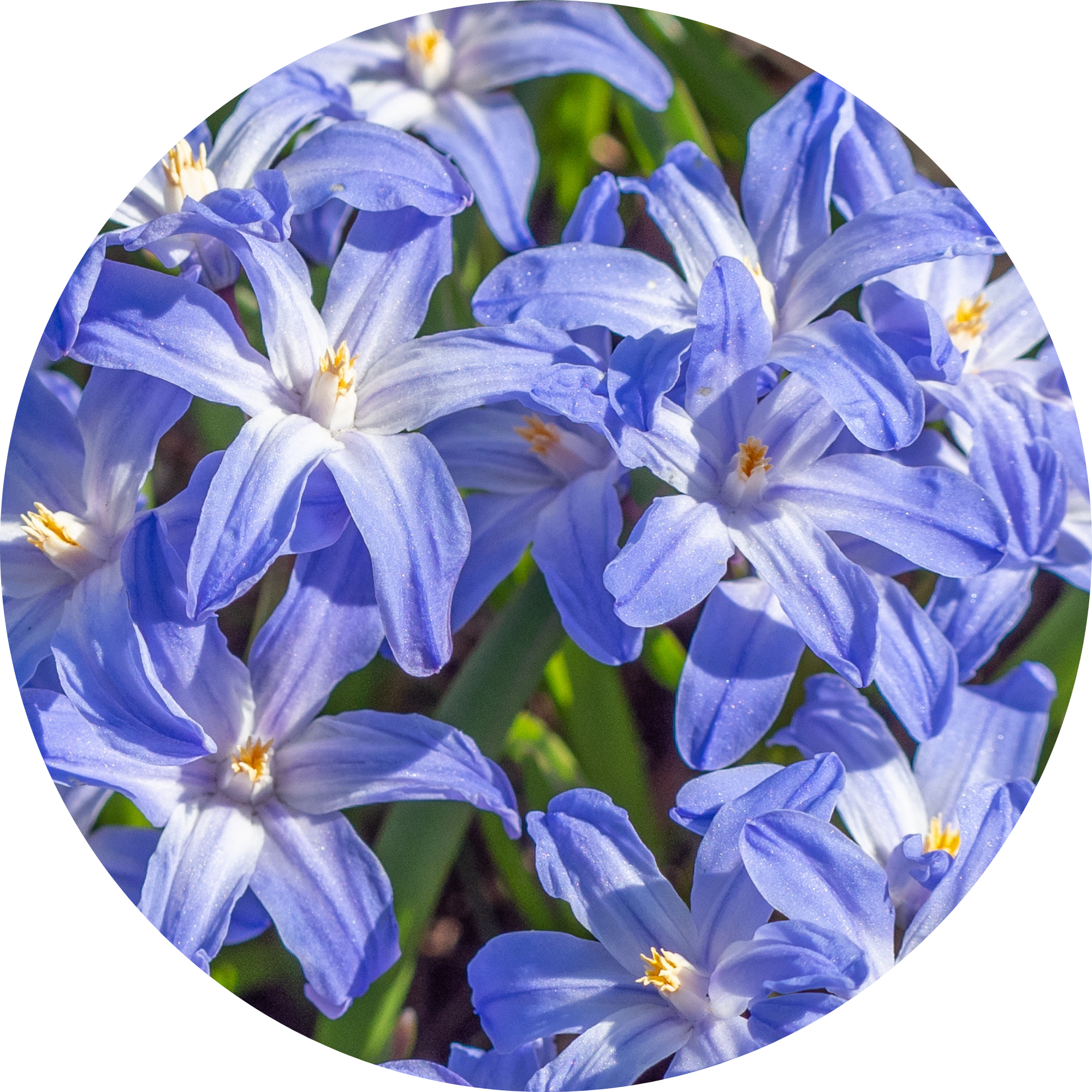
Featured Varieties
0
+
Bulbs Planted
Planting Overview
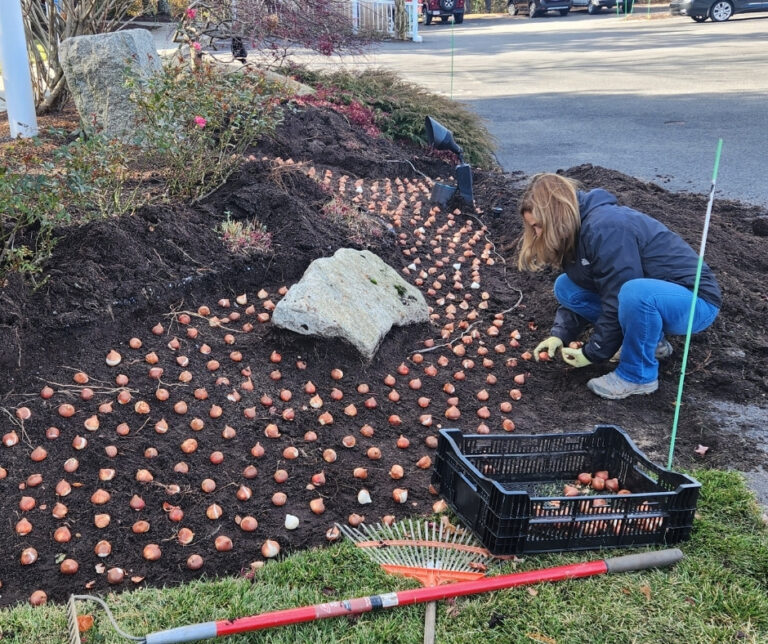
At Egan Landscape Group, we don’t just install bulbs. We place them. Every single one by hand. 13,000+ premium bulbs, each individually set at the correct depth, orientation, and spacing. Because the difference between a good spring display and an exceptional one is made six inches underground, in October, when nobody’s watching.
Hand planting isn’t just tradition. It’s quality control. Each bulb is inspected as it’s placed. Soft spots, damage, or improper sizing gets caught before it ever goes in the ground. No machine does that.
By selecting premium, high-caliber bulbs across six distinct varieties, we engineered a bloom sequence carrying visual interest from the first thaw of early spring through late-season color. Fall 2025 installation gave every bulb the root establishment time it needed, setting the stage for the spring 2026 display that followed.
Elise planting Tulip bulbs at The Stonebridge Club.
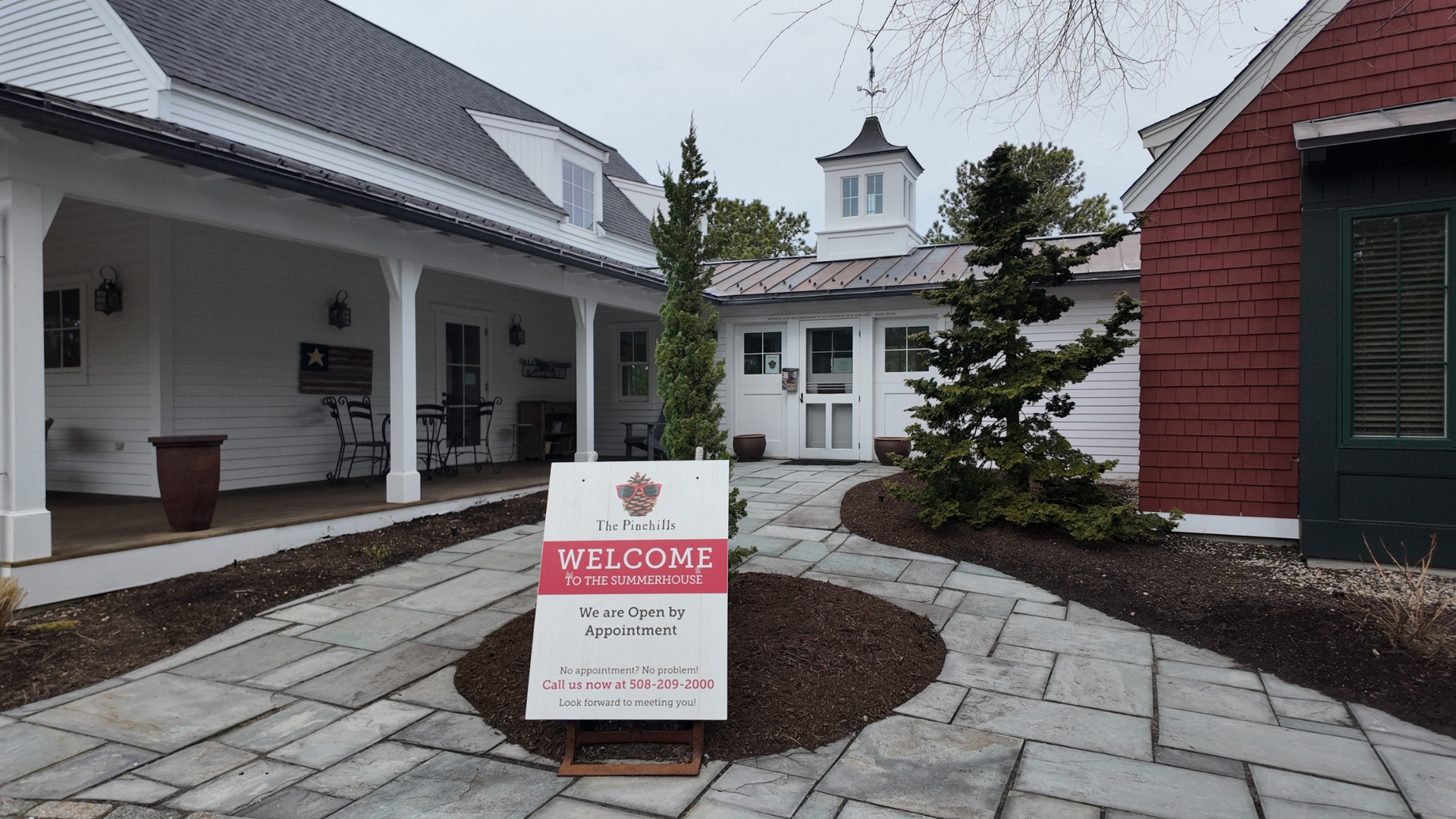
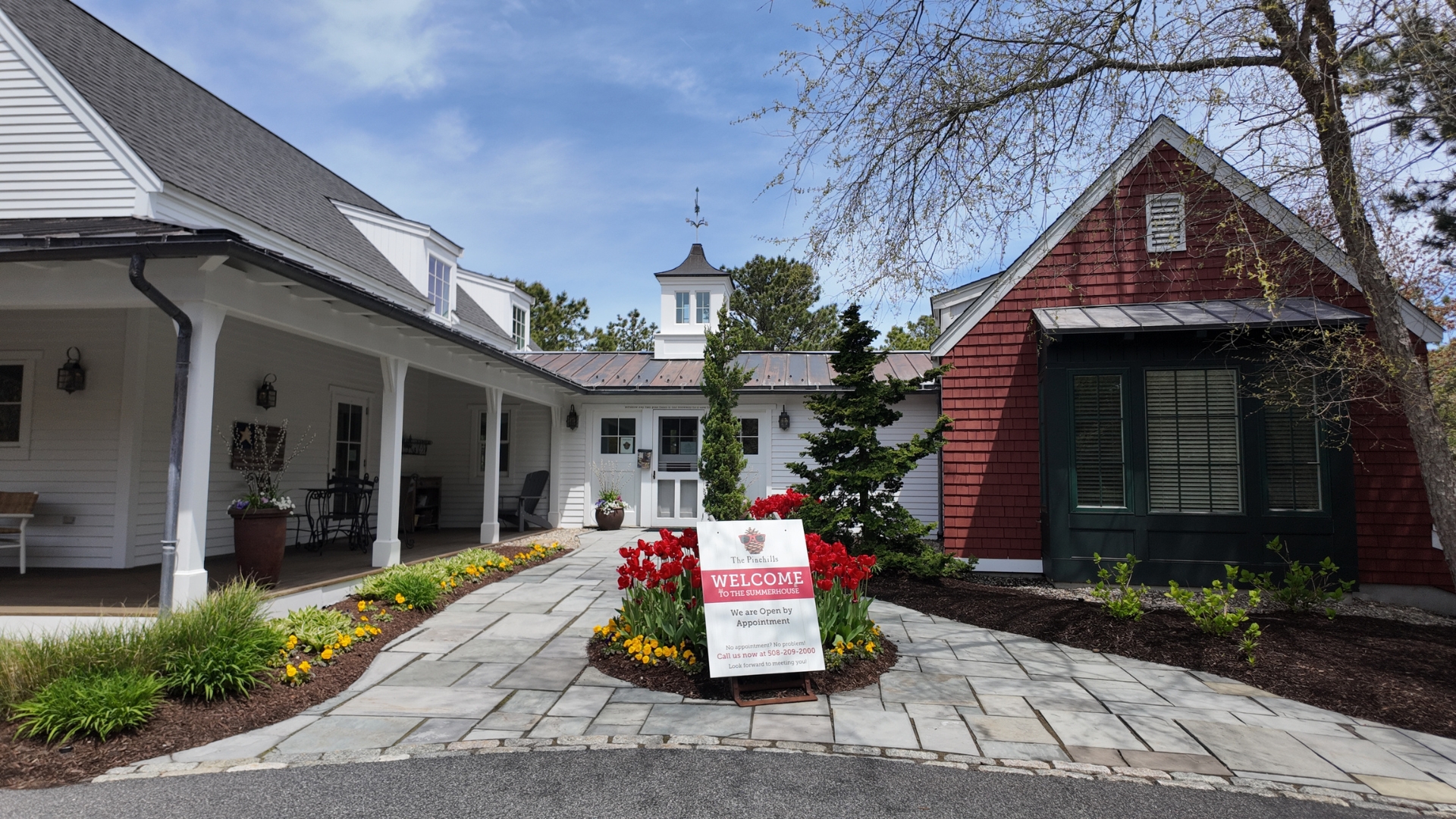
Drag the circle to slide between the before and after!
Our 3-Step Installation Process
Technical Notes
Hydration & Turgor Pressure — At peak bloom, tulips use water to maintain the hydraulic force that keeps stems erect. Without adequate soil moisture, stems lose rigidity and droop. Active monitoring during flowering is essential in spring’s variable New England weather.
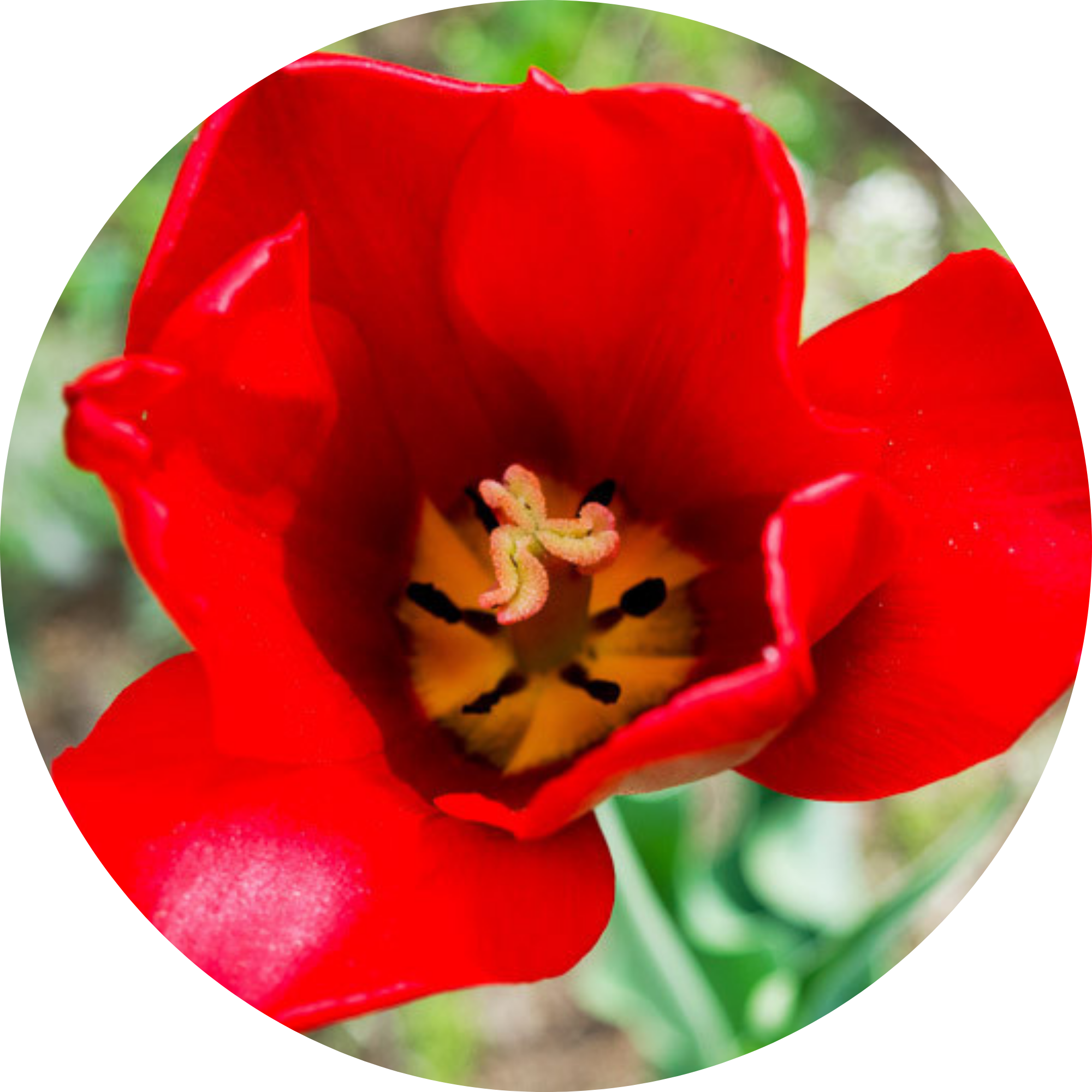
Color Pigmentation — The deep crimson of ‘Red Impression’ results from high concentrations of anthocyanin pigments. These respond dynamically to light and temperature — the blooms deepen and intensify as spring days warm, producing richer color in a sunny Plymouth spring.
Perennializing Performance — Darwin Hybrid tulips rank among the most reliably perennializing tulips available. Unlike many varieties that exhaust themselves in 1–2 seasons, this variety builds bulb mass over consecutive years in well-drained sites — making this installation a long-term landscape asset.
Hover over each image in the gallery below to see the caption. Click on the image to make it bigger and zoom in!
Seasonal flower display.
Tulip bulbs being planted in the Fall of 2025.
Closed Tulips in the morning.
Tulip bulbs being planted in the Fall of 2025.
Tulip bulbs being planted in the Fall of 2025.
Tulip bulbs being planted in the Fall of 2025.
Closed Tulips in the morning.
Open Tulips in the sun at The Summerhouse!
Sprouting Tulips in early Spring.
Closed Tulips in the morning.
Open Tulips in the sun!
Closed Tulips in the morning at the entrance of Clark Rd.
Professional Care for a Picture-Perfect Spring
The stunning displays you see don’t happen by accident. Successful tulip displays require the right soil pH, proper drainage (to prevent bulb rot), and protection from local “critters” who might think the bulbs are a snack. If you’re interested in learning more about our plant installations, click the button below to get in contact with us!